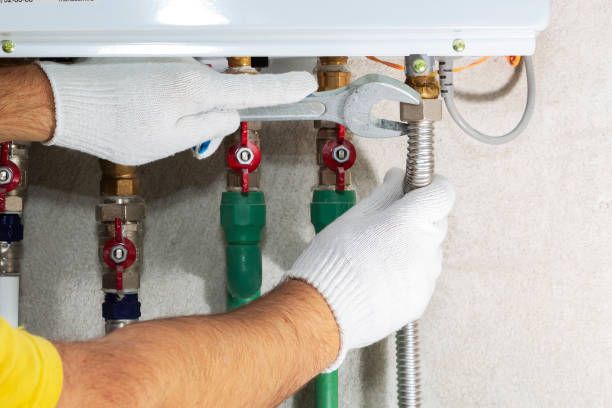
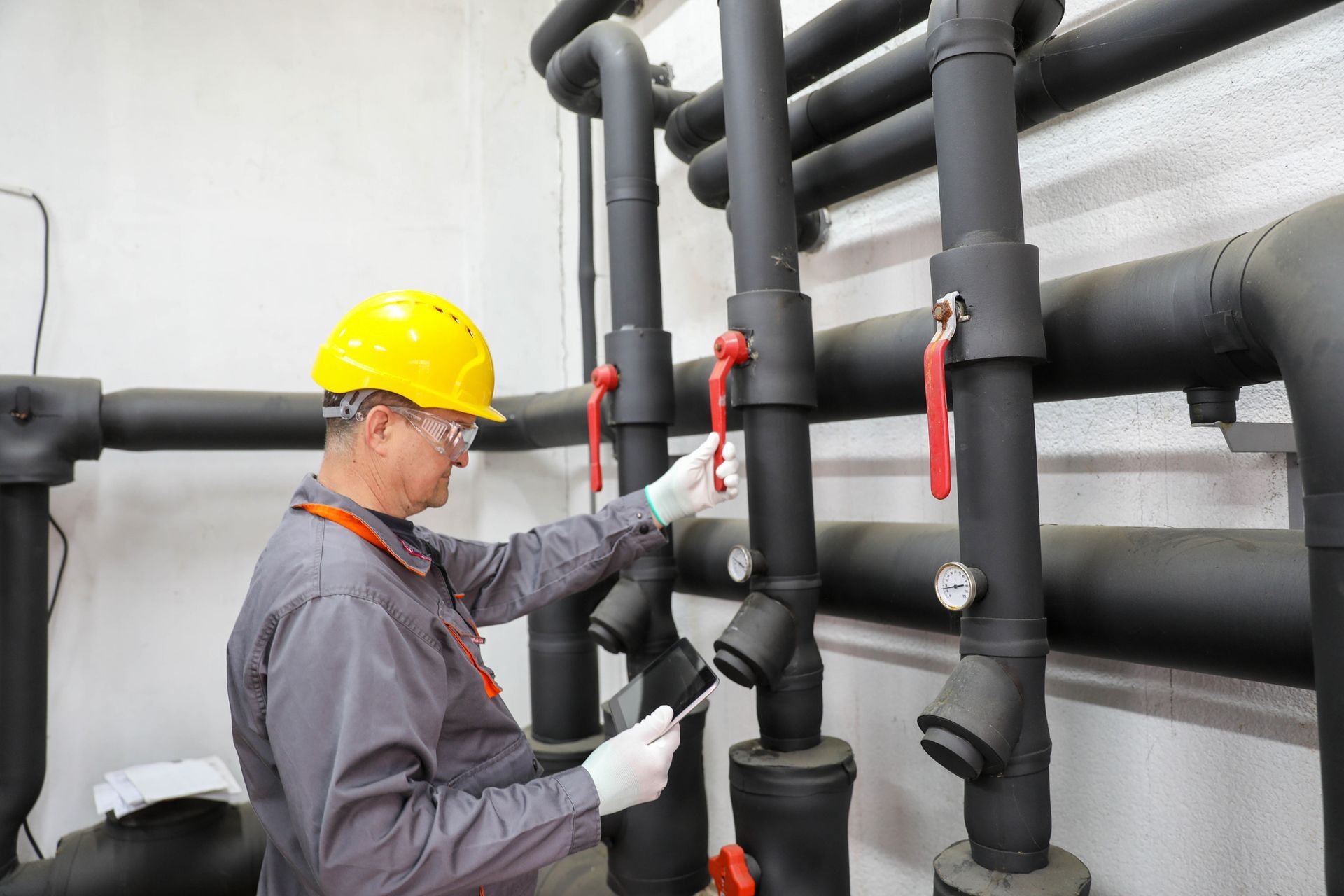
Why Insulation Matters for Plumbing in Northern Colorado: Preventing Frozen Pipes
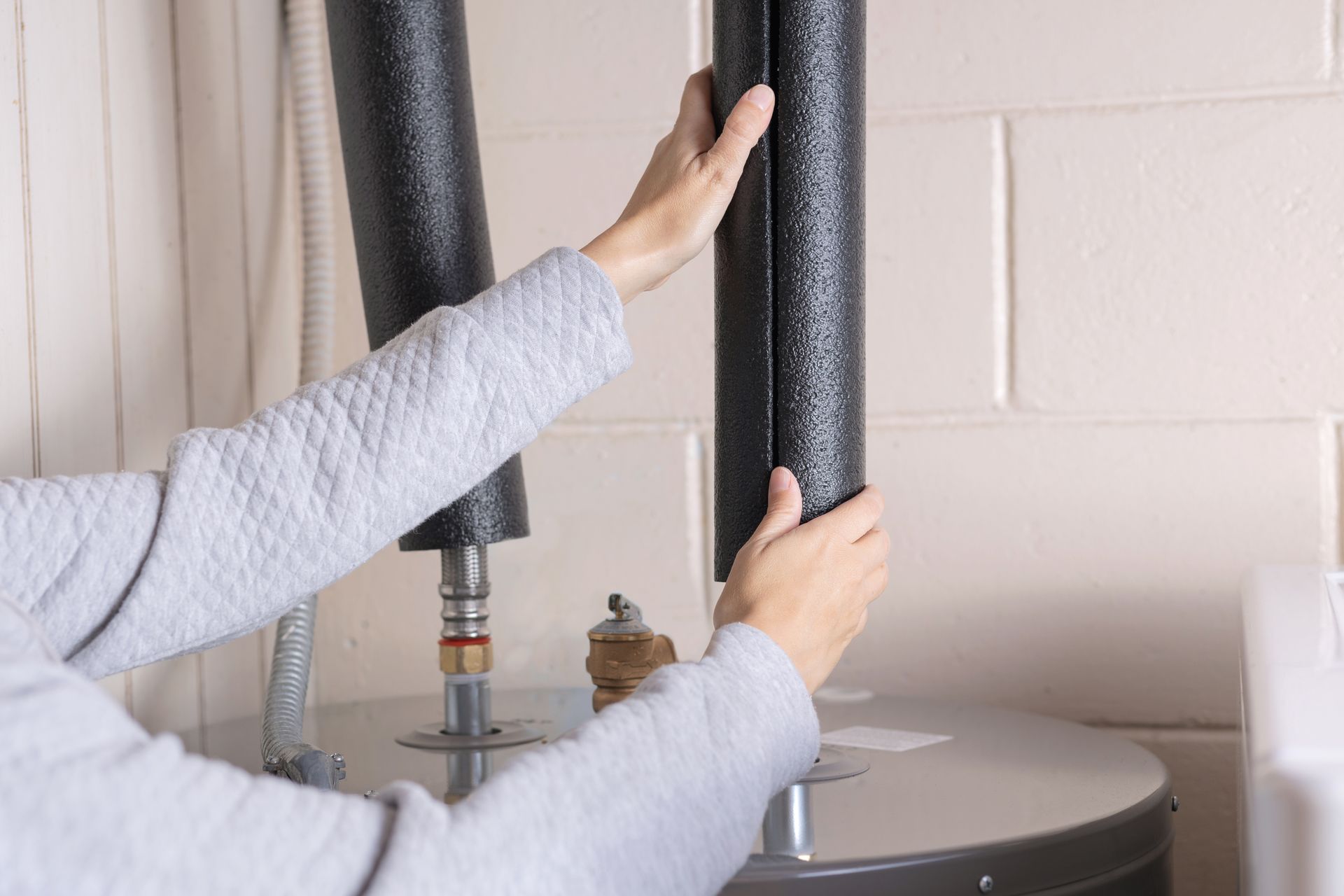
Insulation is one of the simplest ways to protect your plumbing in Northern Colorado from freezing. This guide explains where it matters most and how to prepare before winter. Frozen pipes can crack and flood a home, so a small fall project can prevent a large repair.
How Freezing Damages Pipes
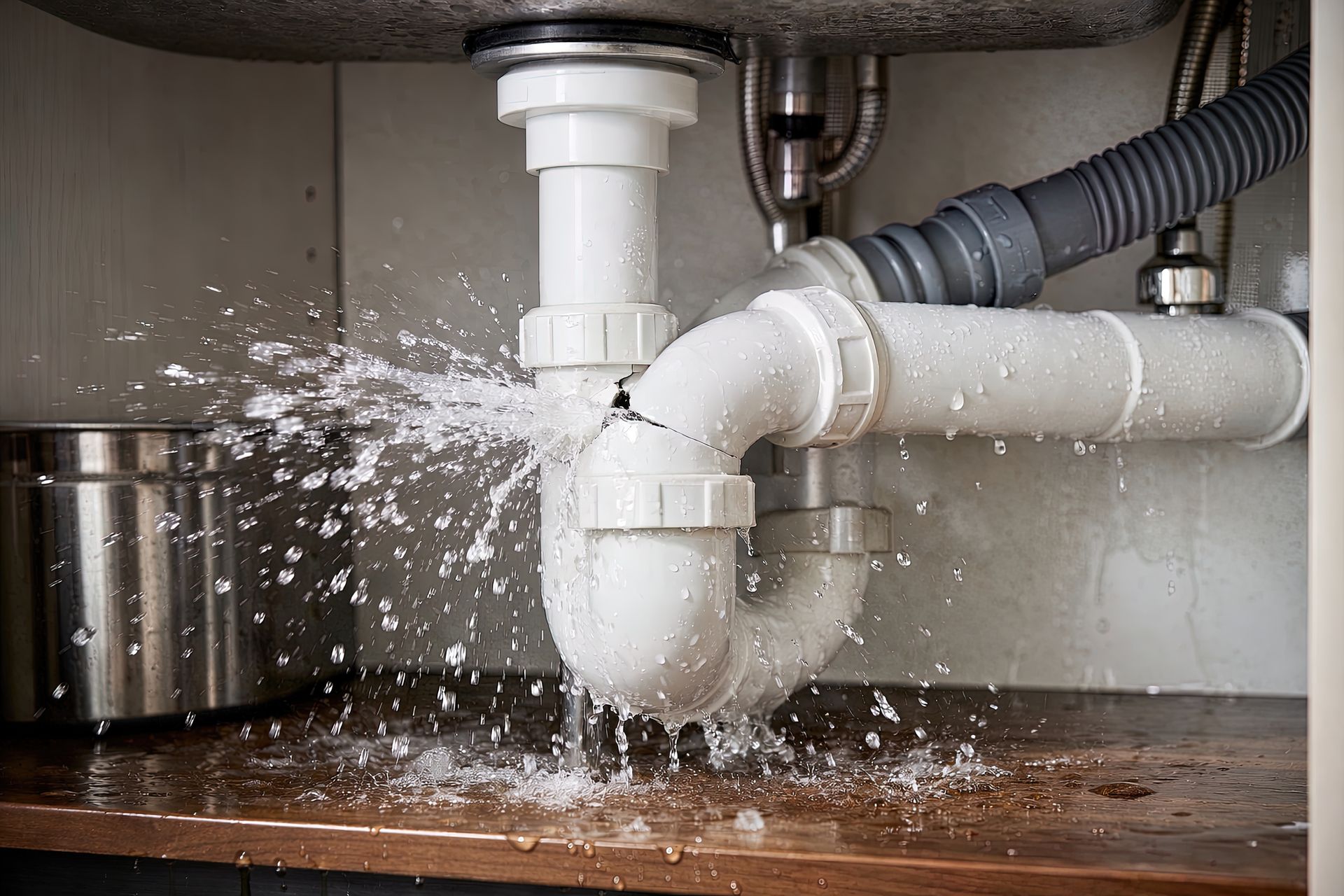
Water expands when it freezes, and that pressure can crack a pipe.
When a pipe freezes, the ice blocks the flow and builds pressure inside the line. A crack may form, but the leak often shows only after a thaw. Repeated freezing and thawing can crack underground lines before spring arrives.
Frost can reach about 30 inches deep in Larimer County. That means plumbing in Northern Colorado needs extra care. Pipes that lack proper insulation are at real risk, so protection should begin in the fall.
Where Pipes Freeze First
Pipes in cold, unheated, or exposed areas freeze first.
Check these common trouble spots:
- Pipes along exterior walls.
- Crawl spaces and unheated basements.
- Garages and utility rooms without heat.
- Outdoor faucets and hose connections.
- Lines near drafty windows, vents, or gaps.
Walk through your home and look for any pipe you can see in these areas. Those are the first ones to protect.
Insulation Options for Exposed Pipes
Insulation slows heat loss and helps keep the water inside warmer.
Simple options include:
- Foam pipe sleeves.
- Pipe wrap.
- Covers for outdoor faucets.
Seal drafts around pipes where they pass through walls or floors. Pick products made for the pipe size and location, and follow the instructions on the package.
Insulation helps most when combined with steady indoor heat. Keep your home warm enough during cold snaps, even if you are away.
Pay extra attention to pipes inside garages and along north-facing walls, where cold air tends to linger the longest. A few minutes of wrapping in these spots can make a big difference during a hard freeze.
A Fall Preparation Checklist
A short checklist makes seasonal prep easy to remember.
- Disconnect garden hoses and store them.
- Cover or protect outdoor faucets.
- Insulate exposed pipes in unheated spaces.
- Seal drafts around pipes and vents.
- Find your main water shutoff valve and test it.
- Open cabinet doors on exterior walls during extreme cold.
- Schedule a seasonal inspection before winter.
Allow a faucet to drip on the coldest nights, since moving water is less likely to freeze. These steps cost little compared with a burst pipe.
Older and Newer Homes Need Different Care
Home age changes which parts of a system need the most attention.
Older Homes Across the Region
Older homes across the region, including those in historic neighborhoods, often have old steel or cast-iron lines that rust and lose water pressure. Cold weather adds strain to these aging lines.
Newer Homes and Subdivisions
Newer subdivisions typically use plastic (PEX) or copper pipes. These systems can still develop leaks at fittings after a hard freeze.
Know Your Pipe Materials
Good plumbing in Northern Colorado starts with knowing which materials your home uses. A licensed technician can check them during a seasonal inspection.
Why Seasonal Inspections Help
A professional inspection before winter can catch weak spots you cannot see.
Seasonal inspections for plumbing help catch weak spots early. A technician can check:
- Exposed lines in cold areas.
- Shutoff valves that may stick or leak.
- Older fittings that may fail in the cold.
- Insulation that may be too thin for local winters.
Regular water heater flushes also clear mineral buildup common in the area's water supply.
Finding a small problem in October is much easier than facing a burst pipe in January. Put a reminder on your calendar each fall so the checklist becomes a habit.
Signs a Pipe May Be Frozen
Early signs can help you act before a pipe bursts.
Look for these clues:
- Little or no water from a faucet.
- Frost on a visible pipe.
- Strange smells from a drain.
- Bulging pipes or unusual sounds in the lines.
If water stops flowing during a cold snap, a frozen pipe is a likely cause.
What to Do if a Pipe Freezes
Stay calm and take safe steps to limit damage.
- Shut off the main water valve.
- Open the affected faucet so water can flow as the ice melts.
- Warm the pipe slowly with a hair dryer or warm towels.
Do not use open flames or torches to thaw a pipe, since they create a fire hazard.
If you cannot find the frozen section, a pipe has cracked, or you cannot thaw it safely, call a licensed professional. Quick action limits water damage and repair costs.
Prepare Your Home With a Licensed Local Team
Action Plumbing & Heating Inc. is based in Loveland, CO, and provides licensed residential and commercial plumbing in Northern Colorado. The team has served the region since 1993, recommends seasonal inspections before winter, and handles frozen pipe repairs. Call (970) 669-6093 or request service online to schedule a visit.
You can also read about our plumbing services. To see what customers say, visit Action Plumbing & Heating Inc. on Google.